Someone told you about Hijama cupping therapy in Lahore. Maybe it was a friend who finally got rid of the back pain that three doctors couldn’t fix. Maybe you came across it while searching for natural remedies at midnight, exhausted from pain you’ve been carrying for months. Or perhaps you already know it’s a Sunnah, and that alone was enough to make you curious.
Whatever brought you here, you’re probably asking the same question most people ask: is Hijama cupping therapy actually worth it, or is this one of those things that sounds good but doesn’t deliver?
That’s a fair thing to wonder. There’s a lot of noise around Hijama — people who overhype it as a cure for everything, and others who dismiss it as outdated folklore. The truth sits somewhere more honest than both camps. So in this article, we’ll cover what Hijama actually is, what the Prophet ﷺ said about it, what modern research has found, which conditions respond well to it, and the question most clinics avoid: can it replace your doctor?
By the end, you’ll have a clear enough picture to make a real decision.
What Hijama Cupping Therapy Actually Is
The word Hijama comes from Arabic and roughly translates to “sucking” or “restoring something to its original state.” In practice, it refers to wet cupping therapy — a procedure used across nearly every major civilization in recorded history.
How the Procedure Works
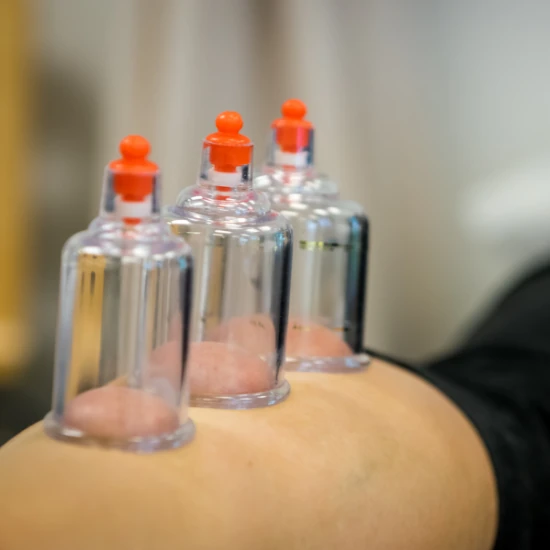
A practitioner places small cups on specific points of your body and creates suction, drawing blood toward the skin’s surface. Then shallow, precise incisions are made at those points, and the cups are reapplied to draw out a small amount of blood. The whole session takes roughly 45 to 60 minutes, depending on how many points are treated.
Dry cupping works differently — it skips the incisions entirely and focuses on muscle relaxation, lymphatic flow, and tension relief. It’s gentler and works well as a standalone treatment or alongside wet cupping.
What’s Actually Happening in Your Body
What makes wet Hijama distinct is the physiological effect it produces. The suction increases local blood flow to the treated area. The controlled bloodletting removes blood that has become stagnant, oxygen-depleted, or loaded with metabolic waste. Think of it less like the medieval European version of bloodletting and more like a targeted circulatory reset for a specific region of the body.
Why Muslims Take This Seriously: The Prophetic Basis
Before we get into research papers, it’s worth acknowledging something that matters deeply to most people in Pakistan who seek out Hijama cupping therapy. This isn’t folk medicine. It’s Sunnah — and the evidence for that is unambiguous.
What the Prophet ﷺ Said
Anas ibn Maalik (RA) narrated that the Prophet ﷺ said, “Indeed, the best of remedies you have is cupping.” This is recorded in Sahih al-Bukhari (5696), one of the most rigorously verified Hadith collections in existence.
Another narration from Sahih al-Bukhari (5681) records the Prophet ﷺ saying that healing is found in three things: the incision of the cupper, drinking honey, and cauterization with fire — though he forbade his Ummah from the last of these.
One of the most striking narrations comes from Sunan Ibn Majah (3477), where the Prophet ﷺ described passing groups of angels on the night of Al-Isra. Each group told him the same thing: instruct your nation to do cupping.
How the Prophet ﷺ Practiced It
He didn’t just advise Hijama for others. The Prophet ﷺ received it on his head while in the state of Ihram during a migraine, on his jugular veins, between his shoulder blades, and after being exposed to poison. Multiple authenticated Hadiths across Bukhari, Muslim, Abu Dawood, and Ibn Majah confirm this.
The recommended Sunnah days for Hijama are the 17th, 19th, and 21st of the Islamic lunar month. Some researchers have speculated that lunar gravitational effects on bodily fluids may offer a biological explanation for this timing, though scientists are still studying this connection.
For Muslims, Hijama falls under Tibb-e-Nabawi — Prophetic Medicine. Practicing it with the right intention is therefore not just a health decision. It is an act of following the Sunnah, which carries its own spiritual weight entirely separate from the physical benefits.
What Modern Research Actually Shows
The scientific literature on Hijama cupping therapy is real and growing. For certain conditions it is genuinely promising. However, it has not yet reached the point where mainstream medicine has fully embraced it, and any clinic claiming otherwise is being dishonest with you.
That said, the evidence available is worth taking seriously.
Pain Relief: The Strongest Case
Pain management is where Hijama cupping therapy has attracted the most scientific attention — and where researchers consistently find positive results.
A clinical trial published in Complementary Therapies in Medicine measured outcomes in patients with chronic headache and lower back pain who received wet cupping. At the three-month follow-up, the cupping group reported significantly lower pain intensity compared to controls, with statistically meaningful results. Furthermore, researchers at Frontiers in Neurology reviewed cupping across a range of pain conditions — myofascial pain, low back pain, knee osteoarthritis, neck pain, and migraine. Their conclusion was that cupping therapy reduces pain levels and improves blood flow with relatively low risk of side effects.
Perhaps most tellingly, the American College of Physicians — not an organization known for endorsing alternative therapies casually — lists cupping among the recommended complementary approaches for chronic lumbar spine pain.
Migraine and Headache Relief
Migraine sufferers have particularly good reason to pay attention. A randomized controlled trial published in the Journal of Research in Medical Sciences found that wet cupping significantly reduced both the frequency and intensity of migraine episodes. Additionally, a follow-up study in Complementary Therapies in Medicine showed that quality of life improved for migraine patients, including fewer attacks and reduced reliance on medication.
Inflammation, Immunity, and Metabolic Health
Beyond pain, the research points to several other meaningful benefits. Studies show that wet cupping produces measurable reductions in C-reactive protein — a key indicator of systemic inflammation. Research on athletes found improved white blood cell counts and lymphocyte levels after cupping sessions, suggesting the therapy actively supports immune function.
On the metabolic side, studies have found improvements in blood glucose levels, cholesterol, and insulin sensitivity following wet cupping. Consequently, conversations are opening up about Hijama’s potential role in supporting the management of diabetes and cardiovascular risk — alongside, not instead of, conventional treatment.
Stress, Mood, and the Nervous System
Many patients arrive tense and leave deeply relaxed. That’s not a coincidence or a placebo — it’s a documented physiological response. Cupping activates the parasympathetic nervous system, the body’s rest-and-digest mode. As a result, patients regularly report feeling calmer, occasionally sleepy, and emotionally lighter after sessions. The therapy also appears to trigger endorphin release, which contributes to both pain relief and mood improvement.
None of this means Hijama cures everything. The research gaps are real, and more large-scale trials are still needed. However, “more research needed” is very different from “doesn’t work.”
Can Hijama Replace Conventional Medicine? The Honest Answer
No. We say this clearly and without hesitation.
Where Conventional Medicine Stays Essential
If you have a bacterial infection, you need antibiotics. If you’re having a heart attack, you need a hospital. A cancer diagnosis requires an oncologist. Dangerously high blood pressure requires medication. Hijama is not a substitute for any of these, and practitioners who suggest otherwise should not be trusted.
Where Hijama Fills a Real Gap
What Hijama genuinely offers is something conventional medicine often doesn’t address: the optimization of circulation, the reduction of chronic low-grade inflammation, the clearance of metabolic waste from tissues, and support for the body’s own healing mechanisms. These aren’t targets a prescription pad aims at. Instead, they represent the kind of background physiological dysfunction that builds up over years and quietly erodes your quality of life.
Conventional medicine excels at crisis intervention and disease control. It is far less equipped for the grey zone most people inhabit — the chronic pain that isn’t severe enough to warrant surgery, the fatigue that blood tests can’t explain, the headaches that keep returning despite every medication tried. This grey zone is precisely where Hijama tends to produce its most meaningful results.
The two systems are not in conflict. Used intelligently, they complement each other. Indeed, integrative medicine has become a recognized specialty rather than a fringe movement — and that recognition continues to grow worldwide.
Conditions That Respond Well to Hijama Cupping Therapy in Lahore
Based on clinical research and practical experience, these conditions show the most consistent improvement with Hijama.
Pain and Musculoskeletal Conditions
Chronic lower back pain is probably the most researched and most reliably improved condition. Neck stiffness, shoulder tension, sciatica, and knee osteoarthritis all show meaningful responses in published studies. Fibromyalgia patients often report significant relief even when other treatments have stopped working. Athletes also use Hijama regularly for post-training recovery and injury management.
Neurological and Vascular Conditions
Migraines and tension headaches are among the best-documented responders. Patients with hypertension frequently see improved blood pressure readings after a course of sessions. Those dealing with poor circulation, numbness, or chronically cold extremities also tend to notice meaningful improvement.
Metabolic and Women’s Health
Type 2 diabetes support, high cholesterol management, and chronic fatigue are increasingly being addressed with Hijama alongside conventional care. Women dealing with dysmenorrhoea, irregular cycles, and hormonal imbalance make up a large portion of patients at Hijama clinics — many report significant improvement in both pain and cycle regularity. Fertility support is also an area of growing clinical interest.
General Wellness
For those not dealing with a specific diagnosis, Hijama remains valuable for immune strengthening, stress and anxiety relief, insomnia, and recovery from prolonged illness or surgery.
What to Expect During a Hijama Session
If this is your first time considering Hijama cupping therapy in Lahore, here’s exactly what happens — no surprises.
Before Your Session
Your practitioner will review your medical history, current medications, and any conditions you’re managing. This isn’t a formality — it determines which points are treated, how many cups are used, and whether wet or dry cupping suits your situation. You’ll be advised to avoid eating two to three hours beforehand and to arrive well-hydrated.
During the Session
You’ll lie down comfortably while cups are placed on specific points. Most people find the suction sensation unusual at first but surprisingly tolerable within a minute or two. The incisions are extremely shallow — the most common description from first-time patients is that they feel like a light scratch. After that, the cups do the work quietly.
After the Session
Expect to feel relaxed, possibly tired. Both are normal responses. The circular marks on your skin are not bruises — they’re caused by blood vessels responding to surface suction. They look striking but are painless and fade within three to seven days. For the next 24 hours, keep the treated areas warm, avoid cold showers, eat lightly, and rest where possible.
Many people feel the effects within one to two days. For chronic conditions, a structured course of sessions produces better outcomes than a single treatment.
Common Questions About Hijama Cupping Therapy
Is it painful? Most patients rate it at two or three out of ten. The anticipation is typically worse than the experience itself, and many people fall asleep during the session.
Is it safe? Yes — when performed by a trained practitioner using sterile, single-use equipment. The risk comes from unqualified practitioners using unsterile materials, which is exactly why your choice of clinic matters so much.
How many sessions do you need? Acute issues can often see noticeable improvement after one session. Chronic conditions generally benefit from four to six sessions, followed by maintenance every few months. For prevention and general wellness, twice a year works well for most people.
Can you have Hijama while taking medication? Always disclose every medication you take. Blood thinners are a firm contraindication. Active skin infections, severe anemia, and pregnancy either require modified approaches or make Hijama temporarily unsuitable.
Is Hijama only for Muslims? No. The Prophetic endorsement is central to why many Muslims seek it out, but the therapy’s benefits are not conditional on faith. Cupping has been practiced across Chinese, Egyptian, Greek, and European traditions for thousands of years.
Why Choosing the Right Lahore Hijama Clinic Matters
Hijama involves incisions, blood extraction, and the active management of your health. In skilled hands with proper equipment, it is safe and effective. In unskilled hands, it carries real risk.
What a Trustworthy Clinic Provides
A reliable clinic employs certified practitioners with formal training in technique, anatomy, and hygiene protocols. They open sterile single-use equipment in front of you and dispose of it immediately after your session. They run a proper consultation before anything begins — one that actually screens for contraindications. They give you clear written aftercare instructions and maintain separate male and female practitioners, as Islamic and cultural standards in Pakistan require.
These are not optional extras. They are the baseline. If a clinic cannot confirm all of these, look elsewhere.
Should You Try Hijama Cupping Therapy in Lahore?
If you’ve been dealing with pain that hasn’t fully resolved, unexplained fatigue, recurring migraines, high blood pressure that’s managed but never truly addressed, or a general sense that your body needs a reset — Hijama cupping therapy in Lahore is worth a serious conversation.
The Prophetic endorsement is clear and documented. The research base is growing and consistently positive for several key conditions. Moreover, the lived experience of patients who’ve completed structured, professional Hijama treatment is difficult to dismiss.
This is not a blind leap of faith. It’s an informed choice backed by over a thousand years of consistent use and a modern research base that, while still developing, points in one direction.
Is it a cure for everything? No. Will every person experience identical results? No. But for a meaningful number of people dealing with the conditions discussed here, Hijama produces genuine relief that nothing else has managed to deliver. That’s worth something.
Book Your Hijama Session in Lahore Today
Our clinic offers a full consultation before any treatment begins. We’ll assess your specific situation and give you an honest answer about whether Hijama is right for you and what realistic outcomes look like. We have certified male and female practitioners, follow strict sterilization protocols, and offer sessions on Sunnah dates for patients who prefer to follow Prophetic timing.
If you’re ready to take this seriously, so are we.